Blue Note Records: 85 Anni di un Suono che Non Invecchia Blue Note Records: 85 Years of Sound That Never Ages
Alfred Lion, Van Gelder, Reid Miles e la Tone Poet Series. 85 anni di jazz su vinile. Alfred Lion, Van Gelder, Reid Miles and the Tone Poet Series. 85 years of jazz on vinyl.
New York, 6 gennaio 1939. Alfred Lion ha ventotto anni, è arrivato dalla Germania due anni prima e la notte precedente ha ascoltato Albert Ammons e Meade Lux Lewis suonare boogie-woogie allo Spirituals to Swing concert allo Carnegie Hall. Non riesce a dormire. La mattina dopo chiama il suo amico Max Margulis, raccoglie quattrocentocinquanta dollari e affitta uno studio di registrazione. New York, January 6, 1939. Alfred Lion is twenty-eight years old, arrived from Germany two years earlier, and the previous night he heard Albert Ammons and Meade Lux Lewis play boogie-woogie at the Spirituals to Swing concert at Carnegie Hall. He cannot sleep. The next morning he calls his friend Max Margulis, collects four hundred and fifty dollars and rents a recording studio.
Da quella seduta nasce Blue Note Records. Non nasce da un piano industriale, non da un investimento, non da un'analisi di mercato. Nasce da un uomo che non riesce a stare fermo dopo aver sentito qualcosa di straordinario. È forse il modo migliore per iniziare un'etichetta discografica. From that session Blue Note Records is born. Not from an industrial plan, not from an investment, not from a market analysis. It is born from a man who cannot stay still after hearing something extraordinary. It is perhaps the best way to start a record label.
Alfred Lion e il suono onesto Alfred Lion and the honest sound
Alfred Lion e Francis Wolff — entrambi ebrei tedeschi fuggiti dal nazismo — costruiscono Blue Note su un principio semplice: i musicisti devono sentirsi a proprio agio. Le sessioni iniziano nel tardo pomeriggio, non di mattina. I musicisti vengono pagati bene. Si fa la prova generale il giorno prima. Lion rimane in studio finché il take non è perfetto — non finché il budget è esaurito. È un'etica del lavoro che il jazz non aveva mai incontrato prima a questo livello. Alfred Lion and Francis Wolff — both German Jews who fled Nazism — build Blue Note on a simple principle: musicians must feel comfortable. Sessions begin in the late afternoon, not in the morning. Musicians are paid well. The rehearsal happens the day before. Lion stays in the studio until the take is perfect — not until the budget runs out. It is a work ethic that jazz had never encountered before at this level.
«Non c'è niente come suonare per qualcuno che capisce davvero quello che stai facendo.» — Miles Davis su Alfred Lion «There is nothing like playing for someone who really understands what you are doing.» — Miles Davis on Alfred Lion
Rudy Van Gelder e il suono di Hackensack Rudy Van Gelder and the Hackensack sound
Rudy Van Gelder è optometrista di professione e ingegnere del suono per vocazione. Registra Blue Note nel salotto dei suoi genitori a Hackensack, New Jersey — dove ha costruito uno studio con l'isolamento acustico che gli studi professionali non avevano. Il suono Van Gelder è riconoscibile: basso profondo e definito, piatti brillanti senza durezza, piano con presenza immediata, fiati con corpo e aria insieme. Non è una ricetta tecnica — è un orecchio. Rudy Van Gelder is an optometrist by profession and a sound engineer by vocation. He records Blue Note in his parents' living room in Hackensack, New Jersey — where he has built a studio with acoustic isolation that professional studios lacked. The Van Gelder sound is recognisable: deep and defined bass, bright cymbals without harshness, piano with immediate presence, horns with body and air together. It is not a technical recipe — it is an ear.
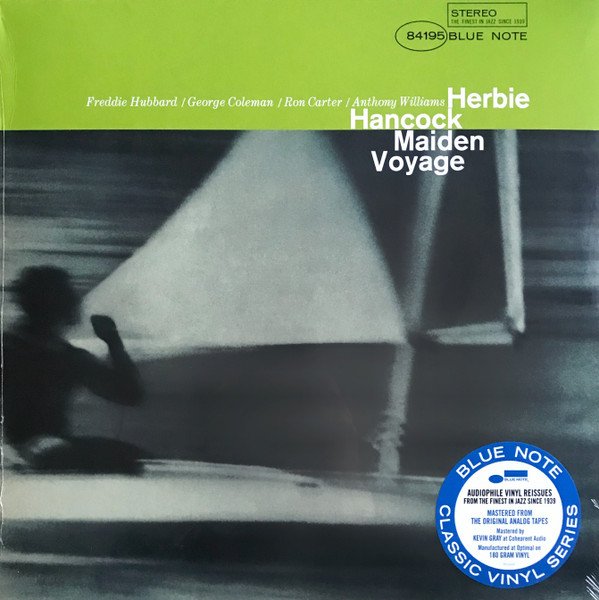
I pressing originali Van Gelder non vengono collezionati solo per il loro valore storico. Vengono collezionati perché suonano in modi che le ristampe, per quanto curate, non hanno ancora pienamente replicato. La definizione del basso su un originale A Love Supreme, la presenza del medio su un Maiden Voyage prima stampa — sono qualità che si sentono fisicamente, non solo si descrivono. Original Van Gelder pressings are not collected only for their historical value. They are collected because they sound in ways that reissues, for all their care, have not yet fully replicated. The bass definition on an original A Love Supreme, the midrange presence on a Maiden Voyage first pressing — these are qualities felt physically, not merely described in words.
Reid Miles e le copertine che hanno cambiato il design Reid Miles and the covers that changed design
Se il suono di Blue Note è Van Gelder, le immagini sono Frank Wolff. Per trent'anni, fino alla sua morte nel 1971, Wolff fotografa ogni sessione con l'occhio di un artista. Le sue fotografie in bianco e nero di Miles Davis, Thelonious Monk, Lee Morgan costruiscono un'iconografia che ancora oggi definisce l'estetica del jazz. Il grafico Reid Miles — che firma quasi 500 copertine Blue Note tra il 1956 e il 1967 — trasforma quelle fotografie in oggetti di design radicale. Tipografia a spaziatura larga, colori piatti, composizioni asimmetriche. Una copertina Blue Note degli anni Sessanta è riconoscibile a tre metri di distanza. If Van Gelder is the sound of Blue Note, the images belong to Frank Wolff. For thirty years, until his death in 1971, Wolff photographs every session with the eye of an artist. Graphic designer Reid Miles — who signs nearly 500 Blue Note covers between 1956 and 1967 — transforms those photographs into objects of radical design. Wide-spaced typography, flat colours, asymmetric compositions. A Blue Note cover from the 1960s is recognisable from three metres away.
I dischi da avere in collezione The records to own in your collection
Non esiste una lista univoca — Blue Note ha pubblicato oltre mille album in sessant'anni. Ma esistono alcuni titoli che ogni collezionista di jazz prima o poi incontra. There is no single definitive list — Blue Note has published over a thousand albums in sixty years — but certain titles every jazz collector eventually encounters.
La Tone Poet Series: quando il presente rispetta il passato The Tone Poet Series: when the present respects the past
Nel 2019 Blue Note lancia la Tone Poet Series — ristampe audiophile prodotte da Joe Harley e masterizzate da Kevin Gray da nastri analogici originali, pressate su vinile 180g da RTI. È la risposta più seria al mercato: come si ascolta Blue Note nel 2025 senza spendere cifre da collezione per ogni singolo disco? In 2019 Blue Note launches the Tone Poet Series — audiophile reissues produced by Joe Harley and mastered by Kevin Gray from original analogue tapes, pressed on 180g vinyl by RTI. The most serious answer to the market: how does one listen to Blue Note in 2025 without spending collector prices for every single record?
Masterizzati da Kevin Gray da nastri analogici originali. Copertine gatefold su carta pesante. Prezzi tra €40 e €60 per titolo.
Mastered by Kevin Gray from original analogue tapes. Gatefold covers on heavy stock paper. Prices between €40 and €60 per title.
«Blue Note non ha mai fatto musica di sottofondo. Ha sempre fatto musica da ascoltare — con attenzione, con rispetto, con il vinile sul piatto e il volume alzato.» «Blue Note never made background music. It always made music to listen to — attentively, respectfully, with the vinyl on the turntable and the volume turned up.» — Groov-illa
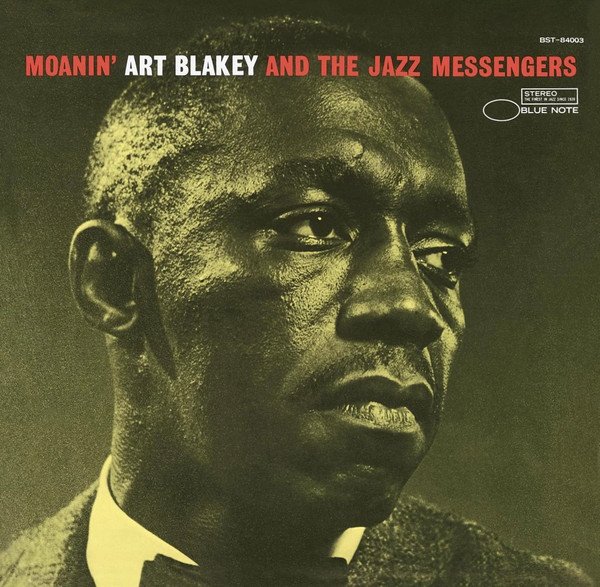
Art Blakey — Moanin'
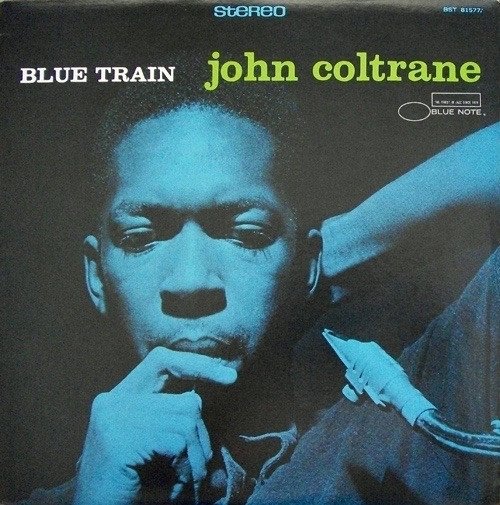
John Coltrane — Blue Train
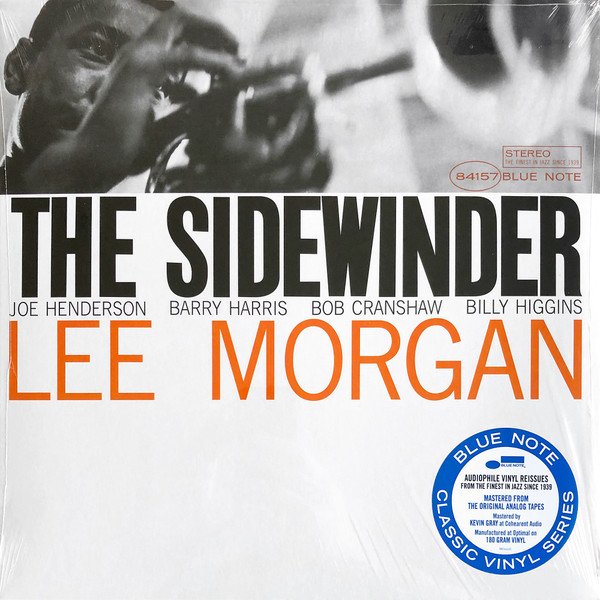
Lee Morgan — The Sidewinder
Herbie Hancock — Maiden Voyage
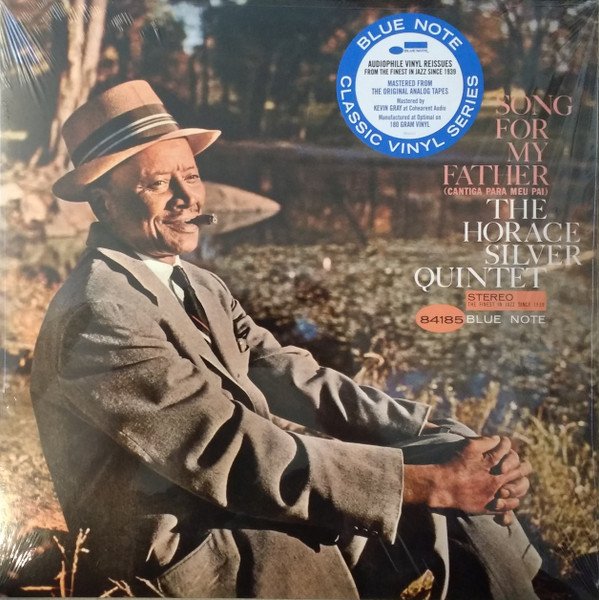
Horace Silver — Song for My Father
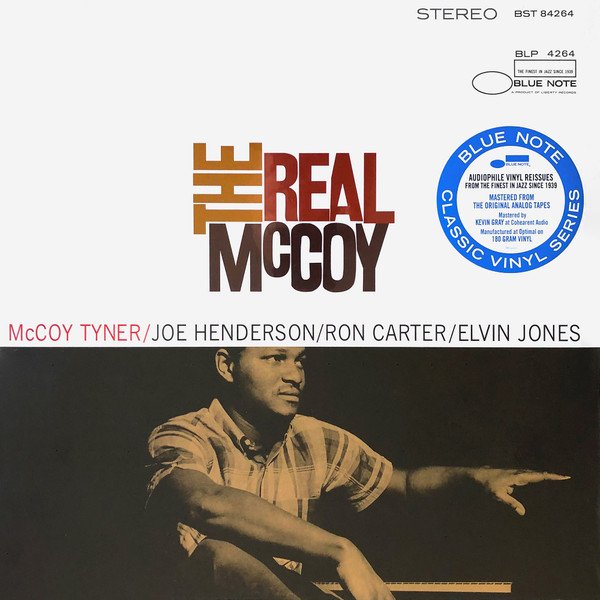
McCoy Tyner — The Real McCoy